You have already done the Mara. Maybe Samburu too, or Laikipia. What you have not done is stand on the rim of a double crater, two hours from Nairobi, with almost no one else around. A Mount Suswa crater hike day trip offers exactly that, and it does not require a safari vehicle or a park fee schedule to figure out.
This is a shield volcano in Kenya’s Rift Valley, straddling the Narok and Kajiado county line. It is not a national park. There is no KWS gate, no ranger checkpoint, and no fixed pricing sheet online. That is exactly why most guides to Suswa repeat the same two statistics, a 10km walk and a 22km one, and stop there. This post goes further: what the routes actually feel like, what they cost right now, and whether you should attempt the full rim in a single day.
What Mount Suswa Is
Suswa is an extinct volcano with a rare double crater. An outer caldera roughly 12km across surrounds a smaller inner crater, and inside that inner crater sits a forested “island,” cut off enough that it holds its own microclimate and its own resident leopards. Few volcanoes anywhere show this island-within-a-crater structure so clearly from the rim.
The mountain rises to about 2,356 meters, with the crater floor sitting far below the outer rim. Below the slopes, a network of lava tube caves runs through the mountain’s base, carved by ancient flows and now home to bats, and to baboons that shelter there so consistently that guides call one chamber the Baboon Parliament.
Trail Options for a Mount Suswa Crater Hike Day Trip
There are three ways to experience Suswa, and they suit different amounts of time and fitness.
Summit and inner crater trail. This is the shorter option, around 10 to 14km depending on where your guide starts, taking 4 to 5 hours round trip. You climb through acacia woodland to the outer rim, then drop toward the inner crater edge for a view down onto the forested island. Good for a genuine day trip with a Nairobi departure and return.
Full crater rim circuit. The complete loop around the outer rim runs close to 22km and takes 7 to 8 hours of steady walking. It is rewarding but long, and it leaves little slack if your vehicle, guide, or weather does not cooperate. Attempting this and the lava caves in the same day is not realistic for most visitors.
Lava cave trail. A separate, shorter walk near the base, usually 1 to 2 hours, reaching the main cave chambers and the Baboon Parliament. This pairs well with the shorter summit trail, not with the full rim circuit, if you want both in one visit.
Distances, Times, and Difficulty
| Route | Distance | Time | Difficulty | Guide required |
|---|---|---|---|---|
| Summit and inner crater rim | 10-14km | 4-5 hours | Moderate | Yes |
| Full outer crater circuit | ~22km | 7-8 hours | Strenuous | Yes |
| Lava cave and Baboon Parliament | 2-4km | 1-2 hours | Easy | Yes |
| Combined summit trail + caves | 13-17km | 6-7 hours | Moderate to strenuous | Yes |
Entry Fees and Guide Costs
Suswa sits on Maasai community land, not KWS land, so there is no published fee table like you would find at Amboseli or Lake Nakuru. Based on recent visitor reports, expect an indicative range rather than a fixed price:
- Community access or conservation fee: roughly KES 500 to 1,000 per person.
- Local guide fee: roughly KES 1,500 to 3,000 per group, more for the full rim circuit given the extra hours.
- Vehicle or parking arrangement at the base: sometimes a small additional fee, negotiated on arrival.
These figures move with the season and with who is managing access that year, so treat them as a planning range, not a quote. Guides are typically hired on arrival at the base camp near the caves, though booking one in advance through a tour operator removes that uncertainty entirely.
Getting There From Nairobi
Suswa lies about 110 to 120km from Nairobi, reached via the A104 through Maai Mahiu and Suswa. Drive time runs 2 to 2.5 hours in a private vehicle, longer if you catch traffic leaving Nairobi. The final stretch off the main road is unpaved and can turn to mud in the rains, so 4WD is recommended between April and May and again in November.
A matatu from Nairobi’s River Road area toward Narok can drop you near the Suswa turnoff, then a boda boda or hired vehicle covers the last stretch to the base. If you are new to that system, our guide to taking a matatu from Nairobi covers what to expect. For a first visit to Suswa, most travelers find a private vehicle or small group tour more predictable.
Sample Day-Trip Itinerary
- 5:30am: Depart Nairobi, before the city traffic builds.
- 7:45am: Arrive at the Suswa base, meet your local guide, pay community and guide fees.
- 8:15am: Begin the summit and inner crater trail.
- 11:30am: Reach the outer rim viewpoint over the inner crater and forested island.
- 12:15pm: Descend, break for a packed lunch on the way down.
- 1:45pm: Reach base camp, short walk to the lava caves and Baboon Parliament.
- 3:00pm: Depart for Nairobi.
- 5:15pm: Arrive back, allowing for evening traffic.
This timeline fits the shorter trail comfortably. Anyone set on the full 22km circuit should plan an overnight instead, since a same-day return leaves no room for delay.
What to Pack
Sturdy boots matter more here than on the flat trails of the Mara. Bring at least 2 liters of water, a hat, sunscreen, and a light waterproof layer, since weather on the exposed rim shifts fast. A headlamp is worth carrying if you plan to go into the deeper cave chambers. Long trousers help against thorn scrub on the lower slopes.
Best Time to Go
The dry months, from June to October and again in January to February, give the firmest footing and clearest views. The long rains in April and May, and the shorter rains in November, can make both the access road and the crater slopes difficult, and some guides will advise against the full circuit during those windows.
Wildlife and Safety
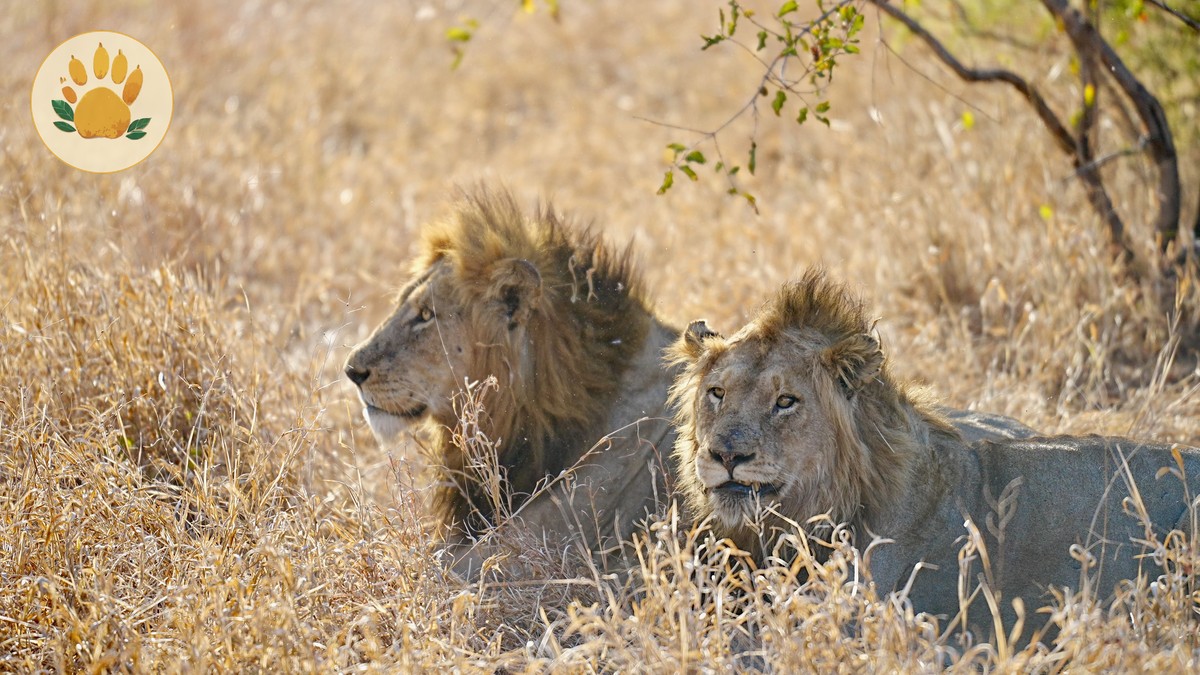
Leopards live in the forested inner crater, rarely seen but part of why a guide is not optional. The lava caves house bats and resident baboon troops, and low ceilings in places mean caution with your head and footing. Cattle and goats graze the outer slopes, since this remains working Maasai land, not a fenced reserve. None of this makes Suswa risky if you go with someone who knows the mountain. It does make going alone a poor idea.
Independent Visit or Guided Tour
You can reach Suswa on your own and hire a guide at the base, and many travelers do exactly that. The trade-off is uncertainty: fees vary by who you meet that day, road conditions are hard to check in advance, and there is no booking office to call ahead. A guided tour from Nairobi fixes the price, the vehicle, and the timing before you leave. If you are weighing this against other trips on your Kenya itinerary, our piece on deciding between a guided tour and going independently walks through the same trade-off in more depth.
Camping Beyond the Day Trip
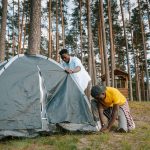
If the full rim circuit or a slower, two-day pace appeals more, camping at the base near the caves is possible with permission from the local community. There are no fixed campsite facilities, so you carry in what you need. Our guide to renting camping gear in Nairobi covers tents, sleeping mats, and stoves if you do not want to buy for one trip.
How Suswa Compares to Other Nairobi Day Hikes
| Destination | Distance from Nairobi | Drive time | Trail length | Entry fee (indicative) |
|---|---|---|---|---|
| Mount Suswa | 110-120km | 2-2.5 hours | 10-22km | KES 500-1,000 community fee + guide |
| Mount Longonot | ~90km | 1.5-2 hours | ~12-14km rim loop | Indicative range, USD 20-30 non-resident |
| Ngong Hills | 25-30km | 45-60 mins | 12-14km ridge | Indicative range, KES 300-800 |
Ngong Hills wins on convenience. Longonot offers a defined KWS-managed crater walk with clearer signage. Suswa trades that structure for scale, the double crater, the caves, and far fewer other hikers on the trail.
The SafariPure Difference
We do not send you to Suswa with a photocopied map and a phone number. Our guides know the current community contacts at the base, so fees are agreed before you climb, not negotiated on the spot. We build the day-trip timing around your actual departure point in Nairobi, and we tell you honestly when the full rim circuit is not realistic for a single day, rather than selling it as one. That same judgment applies whether you are choosing between Suswa and Longonot, or deciding if this is the year to finally add Samburu or Laikipia to a repeat Kenya trip.
Plan Your Suswa Day Trip
Mount Suswa rewards travelers who want Rift Valley geology and real solitude without a long drive. If you would like help fixing the guide, the route, and the timing before you leave Nairobi, visit our Mount Suswa day trip page or get in touch through our contact page to start planning.